
Burning Pain on the Knee: Causes and Next Steps
Burning knee pain can involve skin, nerves or knee tissues. Learn which clues matter, what to try first and when to seek urgent medical care.
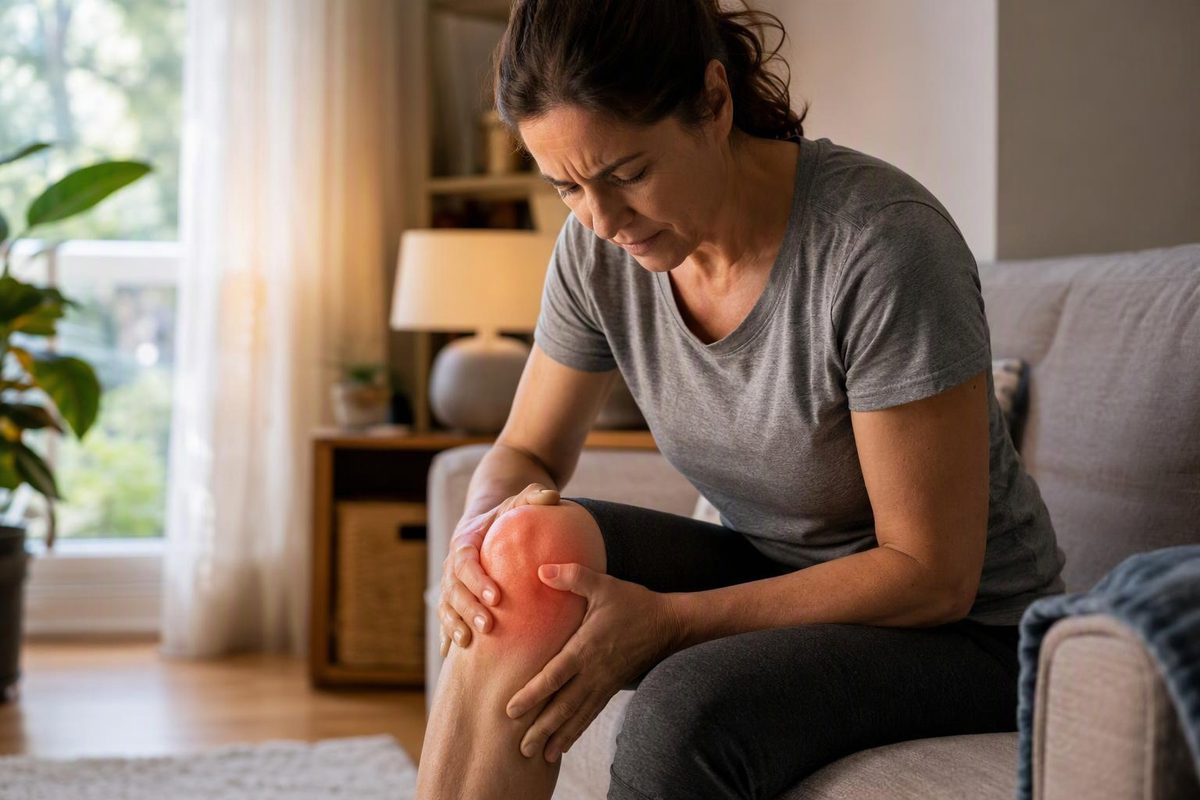
Burning pain on or around your knee does not automatically mean nerve damage. The useful distinction is whether the burning feels skin-deep, comes with tingling or numbness, or occurs during movements such as stairs, running or kneeling. Swelling, actual warmth and loss of function matter more for urgency than the word “burning” alone.
This guide explains possible patterns, not a diagnosis.
When to seek urgent care
Get urgent medical assessment if:
- Your knee becomes suddenly very painful, hot and swollen, especially without a clear injury.
- You cannot move the knee or put weight on it, it is badly swollen or misshapen, or swelling appears immediately after a twisting injury.
- The knee locks or gives way, particularly if this is new or follows an injury.
These are reasons to seek care rather than test exercises or wait for a painkiller to work. NHS knee-pain guidance and NHS inform describe these warning signs.
A hot, swollen, severely painful joint can indicate septic arthritis, an infection inside the joint. Fever, chills or feeling unwell increase concern, but not everyone with septic arthritis has a fever. Redness can also be harder to see on black or brown skin. Do not wait for fever before seeking help with this pattern. NHS septic-arthritis guidance
If the burning involves a rash, seek immediate medical advice for a severe skin reaction or signs of infection, such as rapidly worsening symptoms, discharge or increasing pain. NHS contact-dermatitis guidance
What the burning pattern may suggest
Burning at the skin surface, with a rash or stinging
Skin irritation is one possibility rather than a problem inside the knee. Irritant contact dermatitis can cause dryness, redness, burning or stinging, sometimes with blisters. Note whether symptoms began after using a new cream, adhesive or something else touching the area. A rash is a clue to discuss, not proof of an allergy. NHS contact-dermatitis guidance
Burning with tingling, numbness or shooting pain
This combination raises the possibility of a nerve problem. One example is irritation or injury of the saphenous nerve, a sensory nerve whose branches supply the area below the kneecap and parts of the inner lower leg. Problems involving it can cause burning, shooting pain, tingling or numbness around the inner knee, calf or ankle, including after some knee operations.
This is only one possible explanation; the sensation does not identify the affected nerve. Arrange an assessment for new or persistent burning with altered sensation, and tell the clinician about any previous surgery. Cleveland Clinic’s saphenous-nerve guide
A tender, swollen area after kneeling
Bursitis means inflammation of a small fluid-filled cushioning sac. Around the knee, it commonly affects the area over the kneecap or the inner side below the joint. Frequent kneeling or a direct blow can trigger it, and the area may feel warm, tender and swollen.
Those features are more informative than whether the discomfort feels burning or aching. A bursa can also become infected, so use the urgent-care signs above rather than assuming all kneeling-related swelling is harmless. Mayo Clinic’s knee-bursitis guidance
Pain around the kneecap during stairs, squats or prolonged sitting
This pattern can fit patellofemoral pain—pain around the kneecap. Its typical description is a dull ache, not specifically burning. Pain just below the kneecap after repetitive running or jumping can instead involve the patellar tendon. Neither can be distinguished reliably by pain quality alone. AAOS patellofemoral-pain guidance and NHS knee-pain guidance
What to do if there are no warning signs
For mild symptoms that started recently, the following steps may help. If you have had recent knee surgery, follow your surgical team’s advice instead. NHS inform
- Reduce the aggravating activity temporarily. Cut back on painful running, deep squats or kneeling rather than repeatedly testing the sore area.
- Keep gentle movement. Bend and straighten the knee within a comfortable range and avoid long periods on your feet initially. Increase normal activity gradually as symptoms allow. NHS inform self-help guidance
- Use cold only if skin sensation and circulation are normal. For a sore or swollen knee, wrap a cold pack in a towel and apply it for no longer than 20 minutes, leaving a few hours between applications. Stop if redness, discoloration or blistering increases. Do not use heat or ice if you have impaired sensation or circulation. See our cold-pack guide for practical handling tips. NHS inform
If an assessment identifies patellofemoral pain, targeted knee and hip strengthening may be part of treatment. That recommendation is not a universal exercise prescription for unexplained burning or numbness. AAOS treatment guidance
Arrange a clinical appointment if symptoms worsen or do not improve within a few weeks. Note the exact location, triggers, skin changes, swelling and any numbness—and whether the knee feels hot to touch or only feels as though it is burning. Those details give the clinician a more useful starting point than the pain label alone. NHS guidance on persistent knee pain